Current Issue

2026 Vol. 6, No. 3

Display Method:
Review
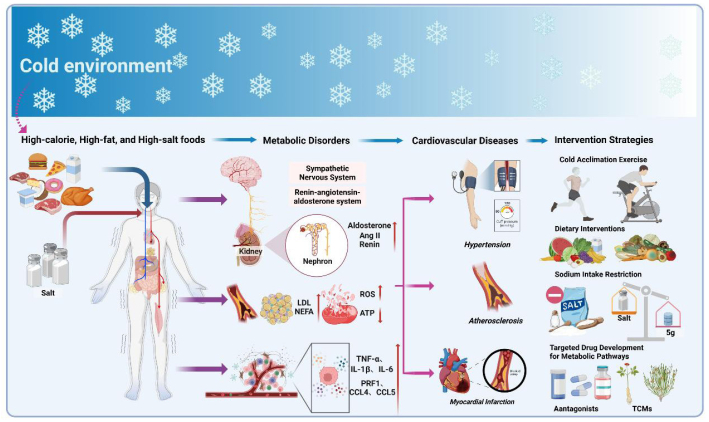
The impact of the interaction between energy and sodium metabolism imbalance and cold environment on cardiovascular health
Mingyu Zhang, Vladimir P. Chekhonin, Ying Zhang, Baofeng Yang
2026, 6(3): 129-137. doi: 10.1515/fzm-2026-0014
Abstract:
Cold exposure is a significant risk factor for cardiovascular diseases and is closely associated with disturbances in energy and sodium metabolism. This environmental stress or adversely impacts cardiovascular health by disrupting metabolic homeostasis and sodium ion balance. In this review, we systematically examine the pathophysiological mechanisms by which cold exposure aggravates cardiovascular injury, including alterations in glucose and lipid metabolism, as well as mitochondrial dysfunction. In addition to triggering transient physiological responses such as vasospasm and elevated blood pressure, cold exposure can induce abnormalities in lipid metabolism and impair sodium homeostasis, thereby promoting systemic metabolic disturbances that affect cardiac and vascular structure and function. Consequently, susceptibility to myocardial infarction, stroke, and heart failure is markedly increased. Furthermore, the paper delves into the compounded adverse cardiovascular effects of the high-salt, high-fat dietary patterns commonly observed in cold northern regions. Based on recent research, this review proposes targeted preventive and therapeutic strategies, including environmental adaptation, lifestyle modification, and optimization of pharmacological management. These insights may provide important guidance for the prevention and management of cardiovascular diseases in cold climates.
Original Article
Acute and subchronic toxicological evaluation of Ganoderma lucidum spore powder in mice
Tingting Zhang, Zheng Zhang, Zhechao An, Shoulin Yin, Jianyong Tang, Wei Wu, Xiaojuan Wang, Wenhui Xu, Ying Su, Yingzhe Liu, Shuqin Duan, Jingwei Liu, Fengda Li, Ziyun Zhong, Yanan Liu, Liangliang Li, Yuan Li, Lei Yang, Yunhe Liu, Baofeng Yang, Fan Yang
2026, 6(3): 138-149. doi: 10.1515/fzm-2026-0015
Abstract:
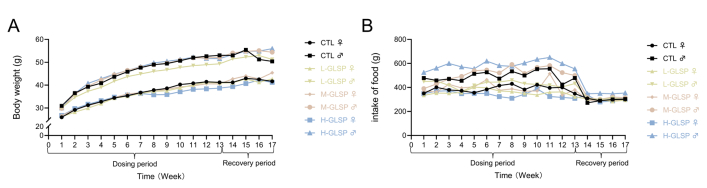
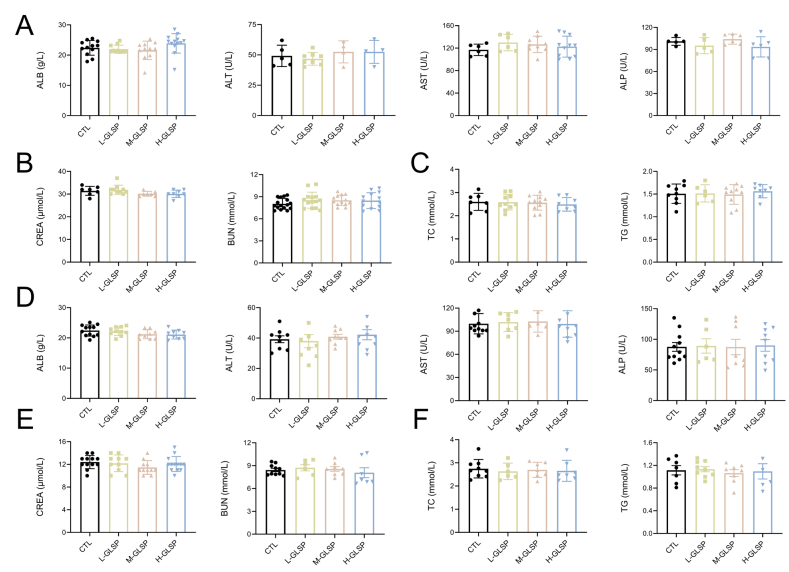
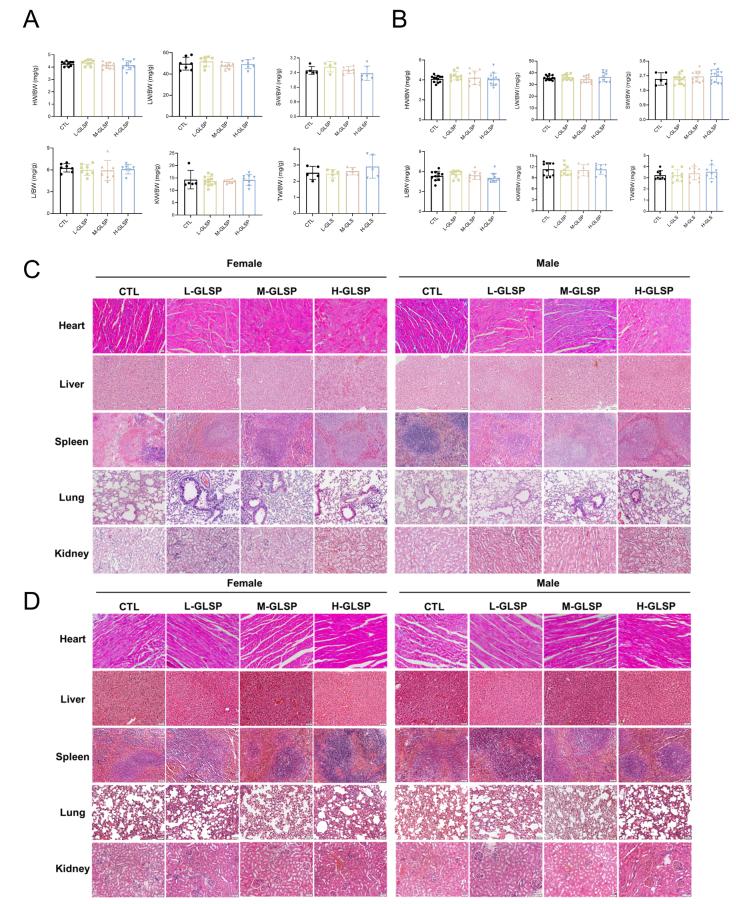
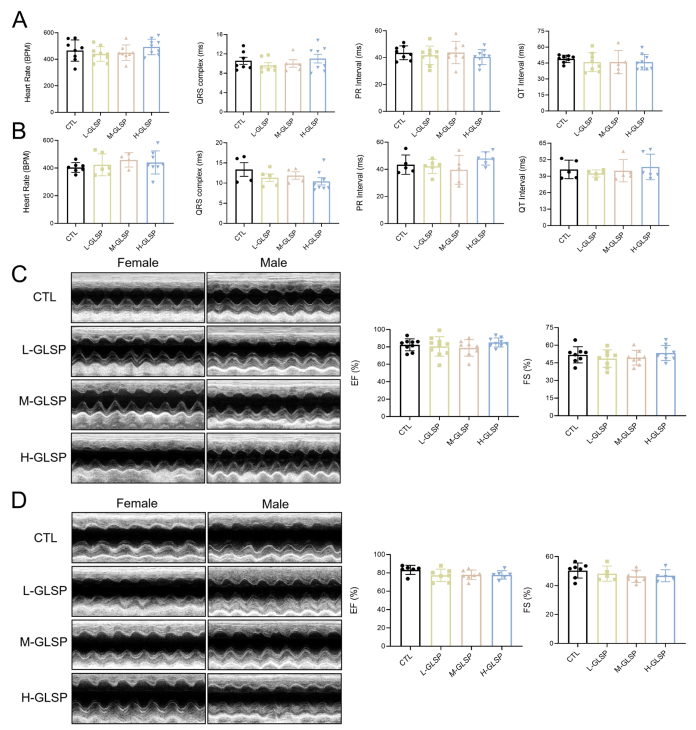
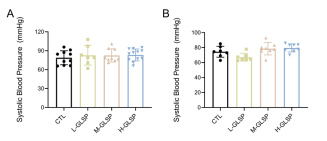
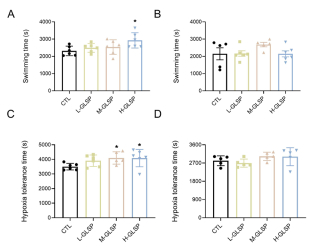
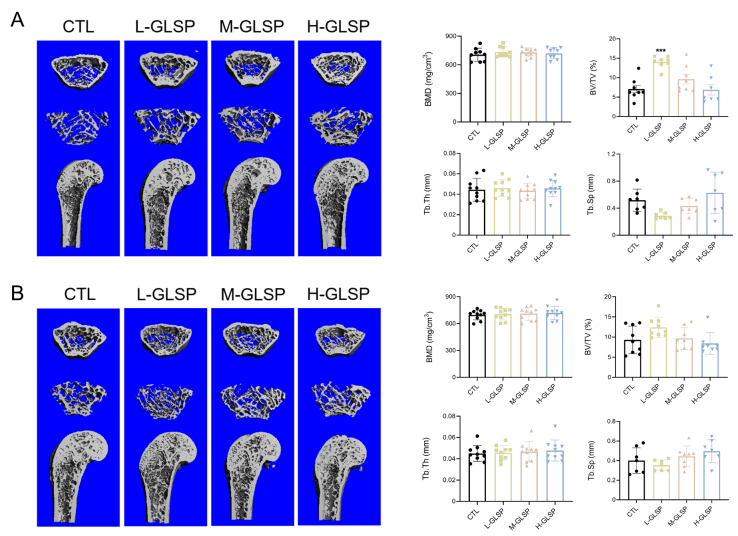
  Objective  Ganoderma lucidum spore powder (GLSP) consists of small, ovoid reproductive cells released during the later stage of Ganoderma lucidum (G. lucidum) development. Its bioactive constituents are enclosed within a resistant outer wall and become more bioavailable following wall disruption. Although GLSP is widely recognized for its medicinal potential, its safety profile has not been systematically characterized. This study evaluated the acute and subchronic toxicity of GLSP derived from G. lucidum cultivated in Northeast China.  Methods  Acute toxicity was assessed in male and female mice following a single oral administration of GLSP at the maximum feasible dose of 16 g/kg. For the subchronic toxicity study, mice were randomly assigned, with equal numbers of males and females, to a control group (CTL) or to low-, medium-, and high-dose GLSP groups receiving 1.075, 2.15, and 4.3 g/kg/day, respectively. GLSP was administered by oral gavage for 13 consecutive weeks, followed by a 4-week recovery period. Clinical condition, behavior, body weight, and food consumption were monitored throughout the study. Cardiac function was evaluated using electrocardiography and echocardiography, and blood pressure was measured noninvasively. Anti-fatigue and hypoxia-tolerance capacities were evaluated using forced-swimming and hypoxia tolerance tests. Bone mass and microarchitecture were assessed by micro-computed tomography (microCT). At the end of the dosing and recovery periods, serum biochemical parameters, relative organ weights, and histopathological findings were comprehensively evaluated.  Results  In the acute toxicity study, no mortality or abnormal behavior, or other signs of toxicity were observed during the 14-day observation period following a single oral dose of GLSP at 16 g/kg. In the subchronic toxicity study, daily GLSP administration for 13 weeks produced no treatment-related changes in clinical appearance, behavior, body weight, food consumption, serum biochemical parameters, relative organ weights, or histopathological findings at any tested dose. Cardiac function, blood pressure, anti-fatigue capacity, and hypoxia tolerance were not adversely affected. GLSP administration also had no significant effect on bone mass or microarchitecture. Findings after the 4-week recovery period were consistent with those observed at the end of the dosing period.  Conclusions  GLSP produced no observable acute or subchronic toxicity in mice under the conditions of this study. The no-observed-adverse-effect level was therefore considered to be at least 4.3 g/kg/day following 13 weeks of repeated oral administration. These findings support a favorable preclinical safety profile for the further development and application of GLSP.
Therapeutic effects of Naoshuan Kangfu Capsule on post-stroke spasticity in normothermic and cold-exposed rat models
Zhiyuan Du, Kexin Wang, Zijia Liu, Yifei Wang, Bosi Sun, Yu Wang, Chenchen Yin, Tianjiao Zhao, Dan Yin, Ajiao Yu, Weijun Li, Yang Qu, Yu Liu, Lei Wang, Lei Jiao, Baofeng Yang
2026, 6(3): 150-165. doi: 10.1515/fzm-2026-0016
Abstract:
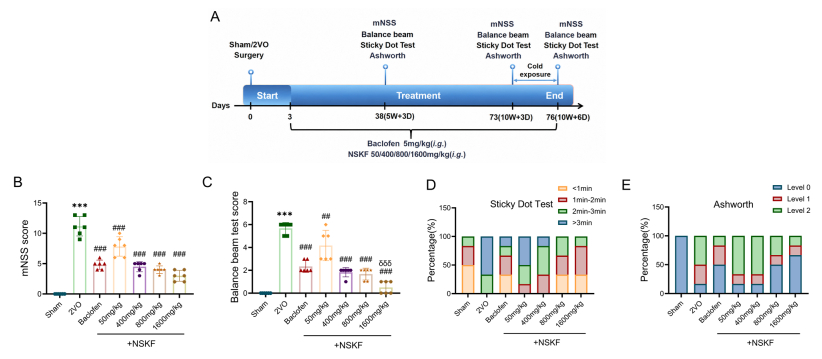
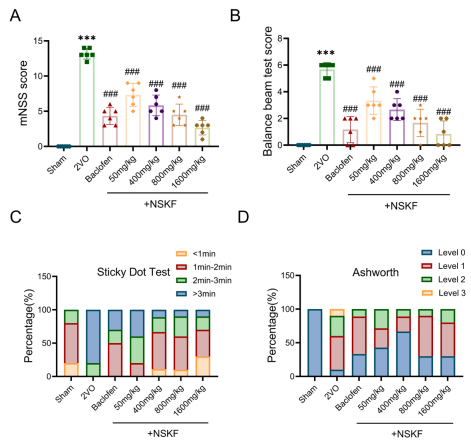
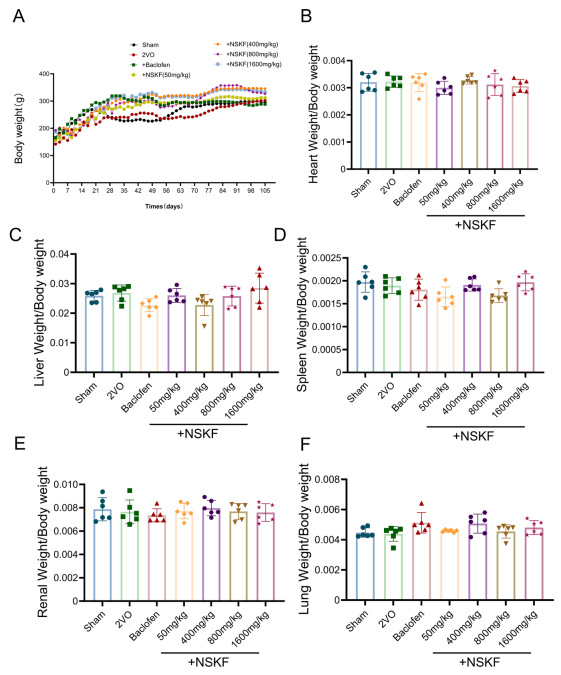
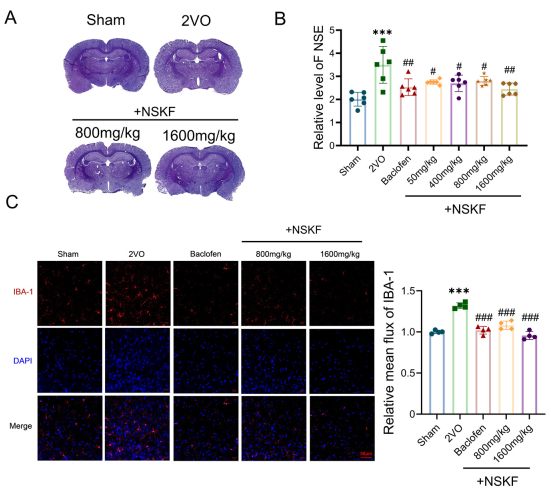
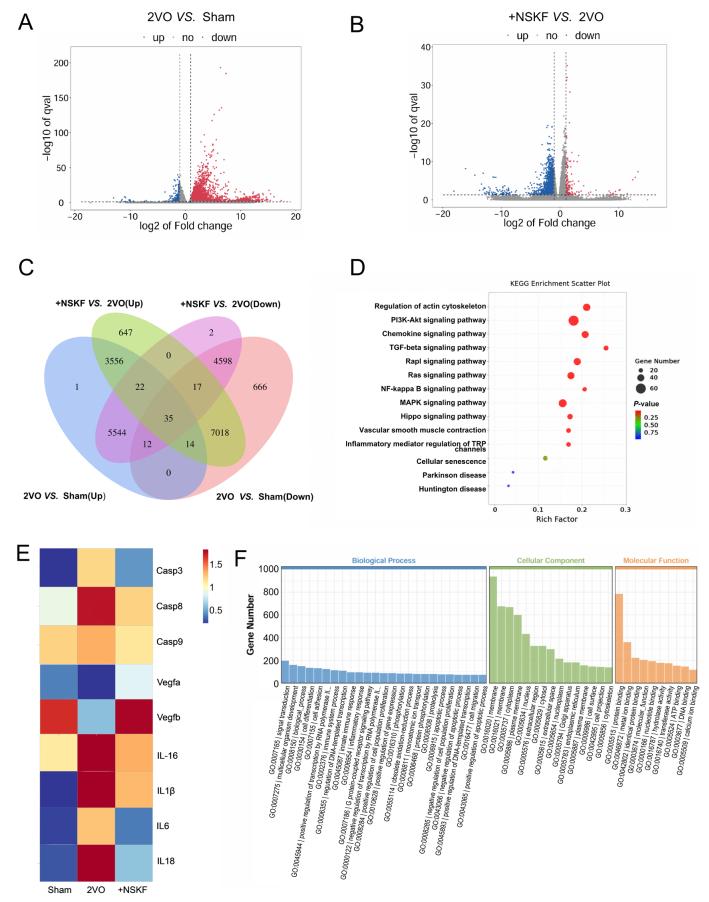
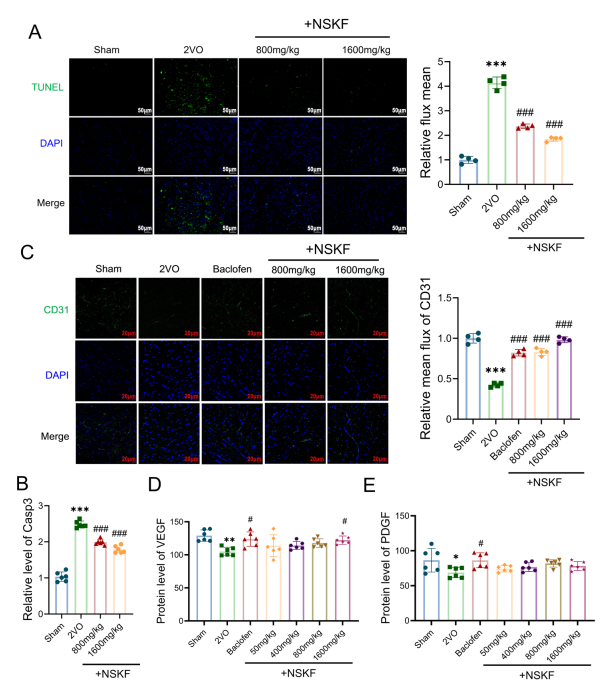
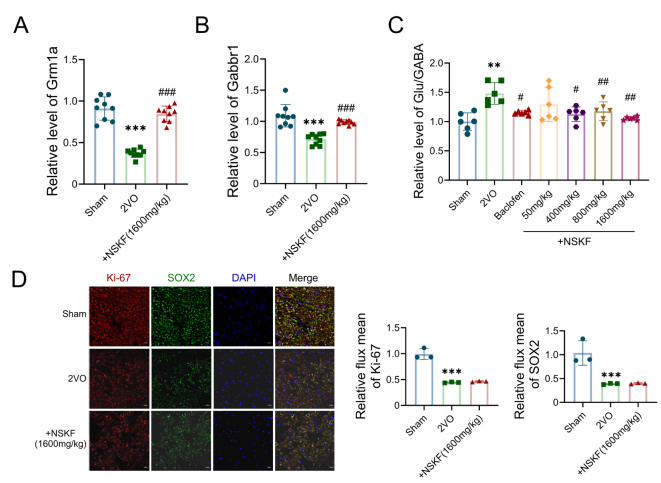
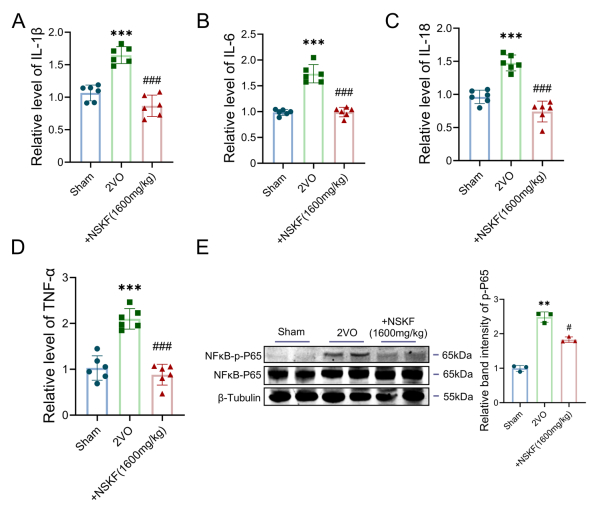
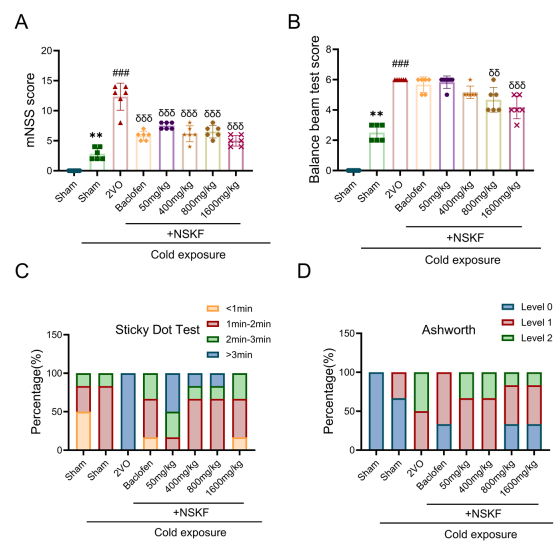
  Objective  Post-stroke spasticity (PSS), a common and debilitating complication after stroke, severely impacts patients' motor function and quality of life. Naoshuan Kangfu Capsule (NSKF) is traditionally used for the treatment of stroke, hemiplegia, aphasia, and facial paralysis caused by blood stasis obstructing collaterals; however, its therapeutic effects and underlying mechanisms in PSS remain unclear. This study investigated the protective and reparative effects of NSKF on PSS following cerebral ischemia under both normal and cold exposure conditions.  Methods  A global cerebral ischemia model was established in rats using bilateral two-vessel occlusion (2VO). PSS was evaluated using behavioral assessments, including the modified Neurological Severity Score (mNSS), balance beam test, Ashworth Scale, and sticky dot test, in 2VO rats maintained under normal and cold temperature conditions. Hematoxylin-eosin (HE) staining was used to assess cerebral histomorphological changes. RNA sequencing was conducted to identify differentially expressed genes in brain tissues. Cerebral cortex tissue neuron-specific enolase (NSE), brain vascular endothelial growth factor (VEGF), platelet-derived growth factor (PDGF), glutamate (Glu), and γ-aminobutyric acid (GABA) levels were measured using ELISA. qRT-PCR was used to determine the mRNA expression levels of Grm1a, Gabbr1, Interleukin-1β (IL-1β), Interleukin-6 (IL-6), Interleukin-18 (IL-18), and tumor necrosis factor-α (TNF-α). Immunofluorescence staining was performed to assess ionized calcium-binding adaptor molecule 1(IBA-1) and cluster of differentiation 31 (CD31) expression. Apoptosis was evaluated using TUNEL staining and Caspase-3 assay.  Results  NSKF significantly alleviated PSS in 2VO rats at 5 and 10 weeks after cerebral ischemia, as evidenced by multiple behavioral assessments, with effects comparable to those of the positive control drug Baclofen. NSKF suppressed NSE and IBA-1 activation, indicating attenuation of neuronal injury and neuroinflammation. RNA sequencing revealed that NSKF regulated pathways associated with apoptosis, angiogenesis, and inflammatory responses. Subsequent validation confirmed that NSKF inhibited neuronal apoptosis, as evidenced by reduced cell death and caspase-3 activity, while promoting angiogenesis through increased CD31 and VEGF expression. In addition, NSKF modulated neurotransmitter homeostasis by decreasing cortical Glu/GABA levels, and upregulating the expression of metabotropic glutamate receptor 1a (Grm1a) and GABA B receptor 1 (Gabbr1). However, NSKF did not significantly affect neuronal proliferation. Furthermore, NSKF suppressed neuroinflammation by reducing IBA-1 activation and pro-inflammatory cytokine expression (IL-1β, IL-6, IL-18, and TNF-α), potentially through inhibition of the NF-κB signaling pathway. Notably, NSKF maintained its therapeutic efficacy against PSS in 2VO rats exposed to chronic cold conditions. Long-term administration of NSKF (50, 400, 800, and 1600 mg/kg for 10 weeks) produced no observable toxic effects.  Conclusions  NSKF improves neurological deficits and alleviates post-stroke spasticity after cerebral ischemic injury by reducing neuronal apoptosis, enhancing angiogenesis, suppressing neuroinflammation, and restoring Glu/GABA neurotransmitter balance. Its sustained efficacy under cold exposure conditions suggests potential advantages for patients living in cold environments. These findings provide experimental evidence for the therapeutic potential of NSKF as a candidate intervention for post-stroke spasticity.
Cold exposure aggravates cardiac dysfunction in aged mice via METTL14/TLR4 signaling
Tong Zhao, Wenjie Zhao, Dianya Sun, Ning Wang, Pengcheng Tang, Ling Liu, Qiang Huang, Muneer Ahmed Khoso, Dmitrii Kachanov, Xin Liu, Yong Zhang, Junquan Li
2026, 6(3): 166-178. doi: 10.1515/fzm-2026-0017
Abstract:
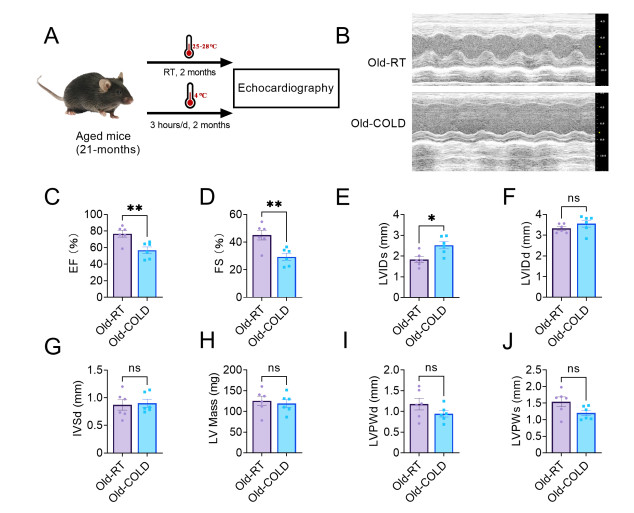
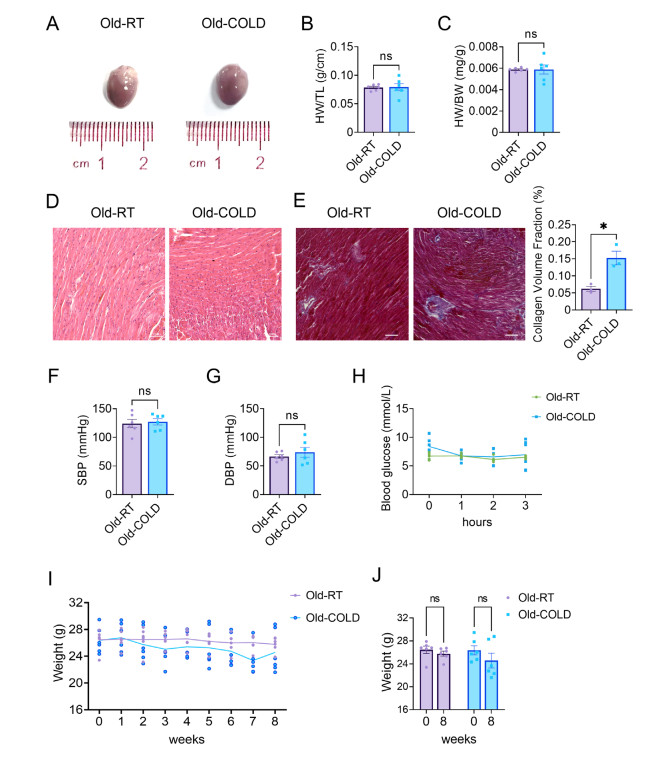
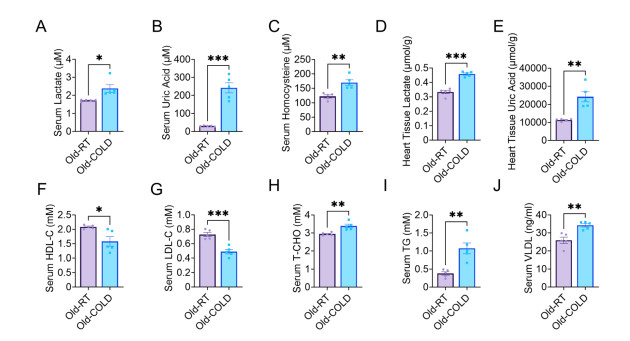
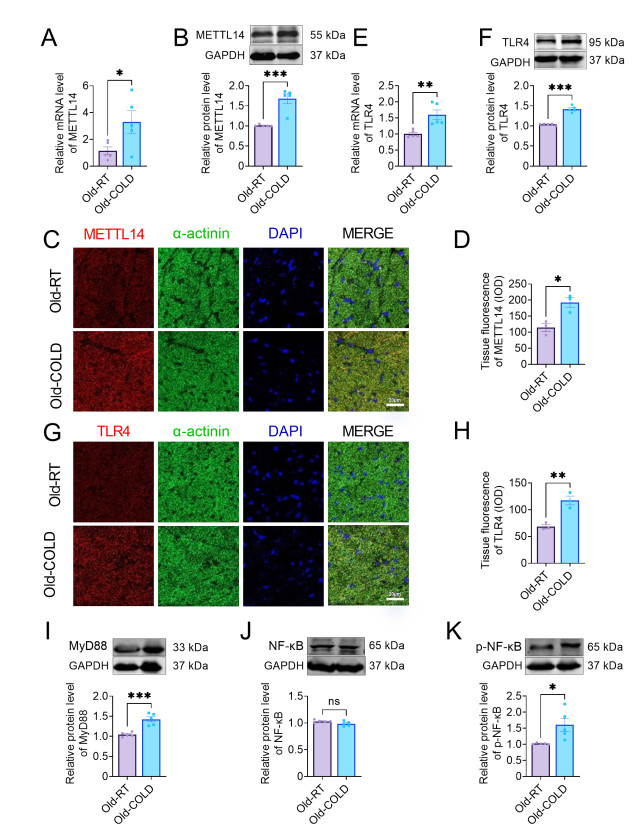
  Objective  Epidemiological studies have established a strong association between low ambient temperature and increased cardiovascular mortality, particularly among older populations. However, the molecular mechanisms underlying cold-induced cardiovascular vulnerability during aging remain poorly understood. This study aimed to investigate the cardiac responses of naturally aged mice to prolonged cold stress and to elucidate the molecular pathways involved in cold-associated cardiac dysfunction.  Methods  Naturally aged mice (21 months old) were subjected to prolonged cold exposure, and cardiac function and structural remodeling were evaluated by echocardiography. Transcriptomic profiling was performed to identify differentially expressed genes (DEGs) and enriched biological pathways in cardiac tissues following cold exposure. The expression of key inflammatory mediators and methyltransferase-like 14 (METTL14) was further evaluated to explore potential molecular mechanisms involved in cold-induced cardiac injury.  Results  Prolonged cold exposure resulted in significant cardiac systolic dysfunction and structural remodeling in aged mice, characterized by reduced ejection fraction (EF) and fractional shortening (FS), accompanied by increased left ventricular internal diameter at end-systole (LVIDs). Transcriptomic analysis revealed extensive remodeling of the cardiac gene expression landscape, with DEGs predominantly enriched in inflammation-related signaling pathways. Consistently, multiple inflammatory mediators were markedly dysregulated in cold-exposed aged hearts. Notably, METTL14 expression was significantly upregulated following cold stress. Mechanistically, increased METTL14 was associated with enhanced cardiac inflammatory activation, accompanied by stimulation of the Toll-like receptor 4 (TLR4)/myeloid differentiation primary response 88 (MyD88)/nuclear factor kappa-B (NF-κB) signaling pathway.  Conclusions  Chronic cold exposure promotes cardiac inflammation, systolic dysfunction, and structural remodeling in aged mice. These findings identify METTL14 as a potential molecular mediator linking cold exposure to inflammatory cardiac remodeling through activation of the TLR4/MyD88/NF-κB pathway, providing new mechanistic insights into the increased cardiovascular risk associated with cold exposure in aging populations. Targeting METTL14-associated inflammatory signaling may provide a therapeutic approach for mitigating cold-induced cardiac vulnerability in susceptible individuals.
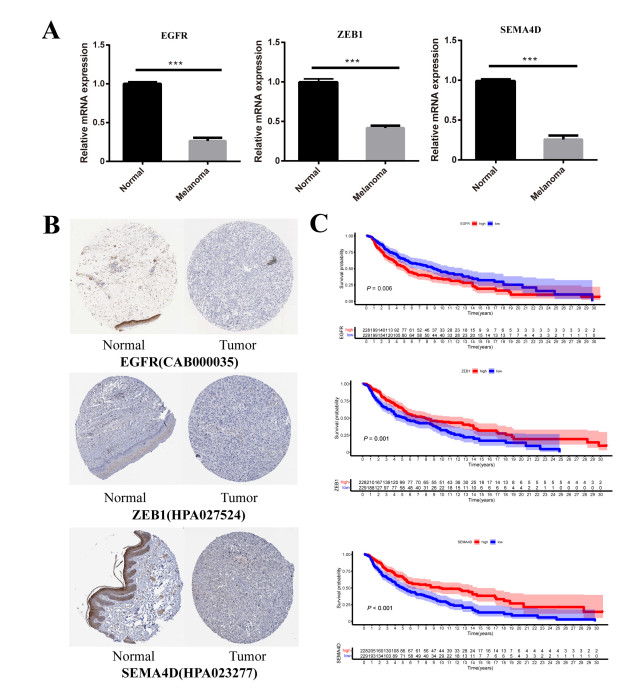
A three-gene vasculogenic mimicry-related signature for prognostic stratification of patients with skin cutaneous melanoma
Yanan Guo, Qing Liu, Wei Zhang, Bosen You, Bingmei Liu
2026, 6(3): 179-192. doi: 10.1515/fzm-2026-0018
Abstract:
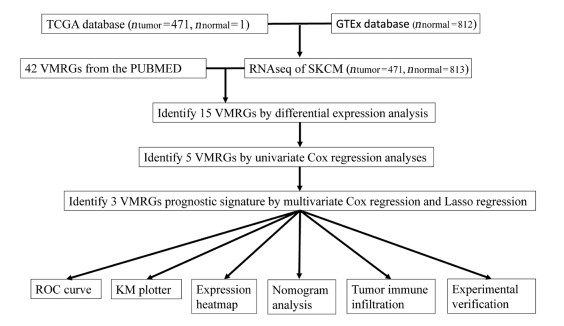
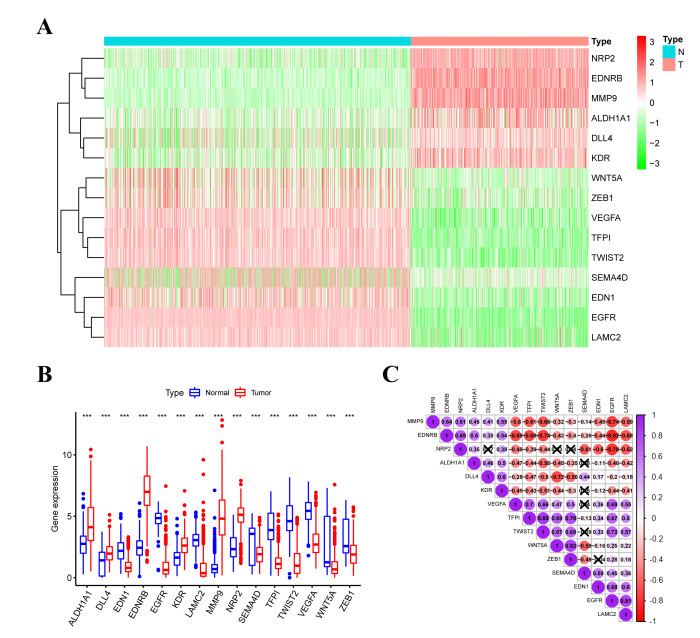
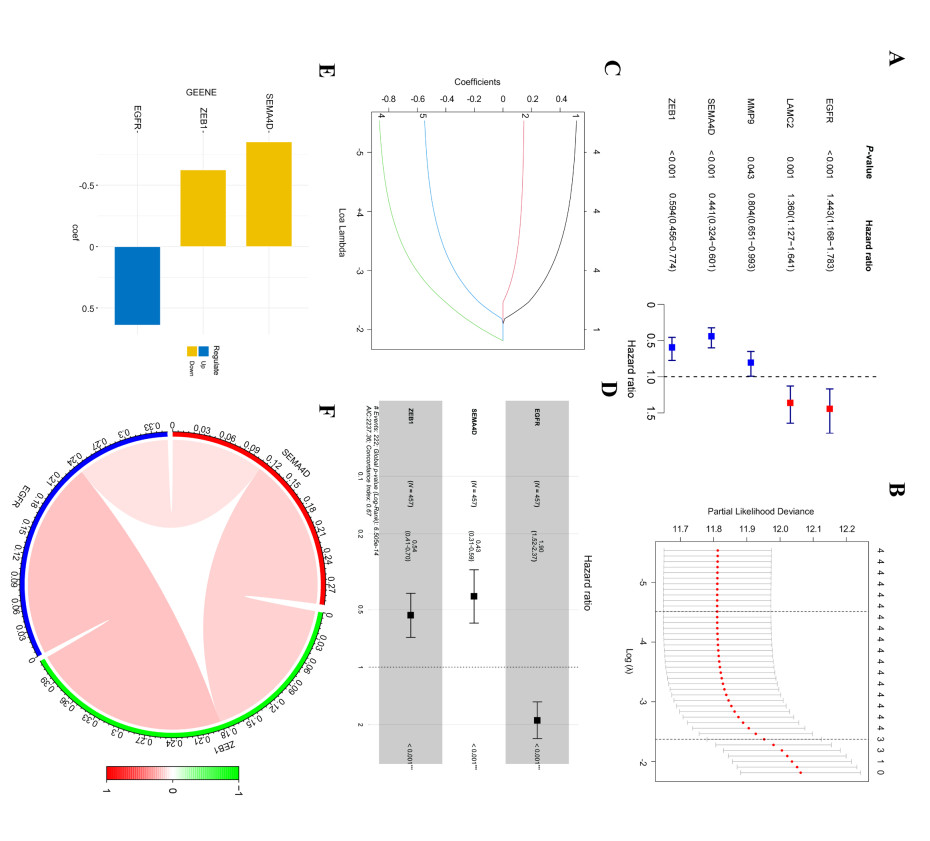
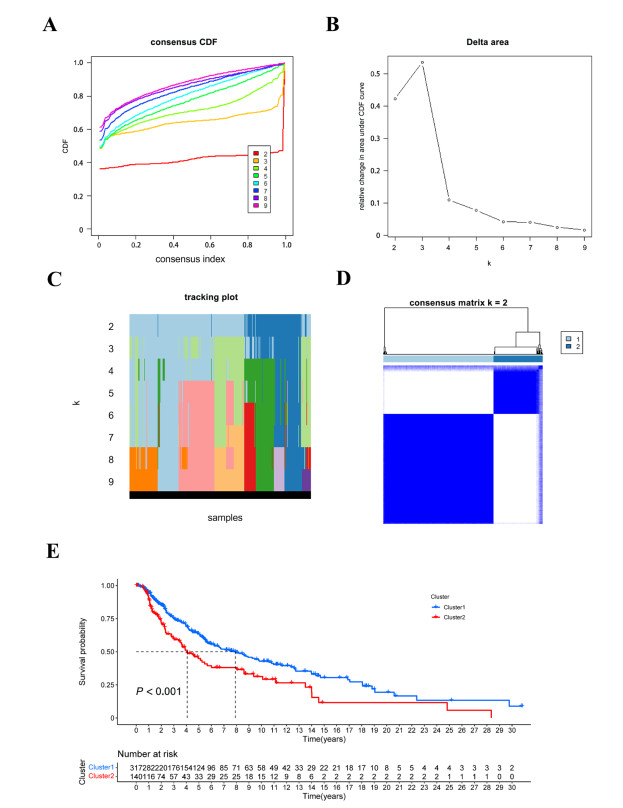
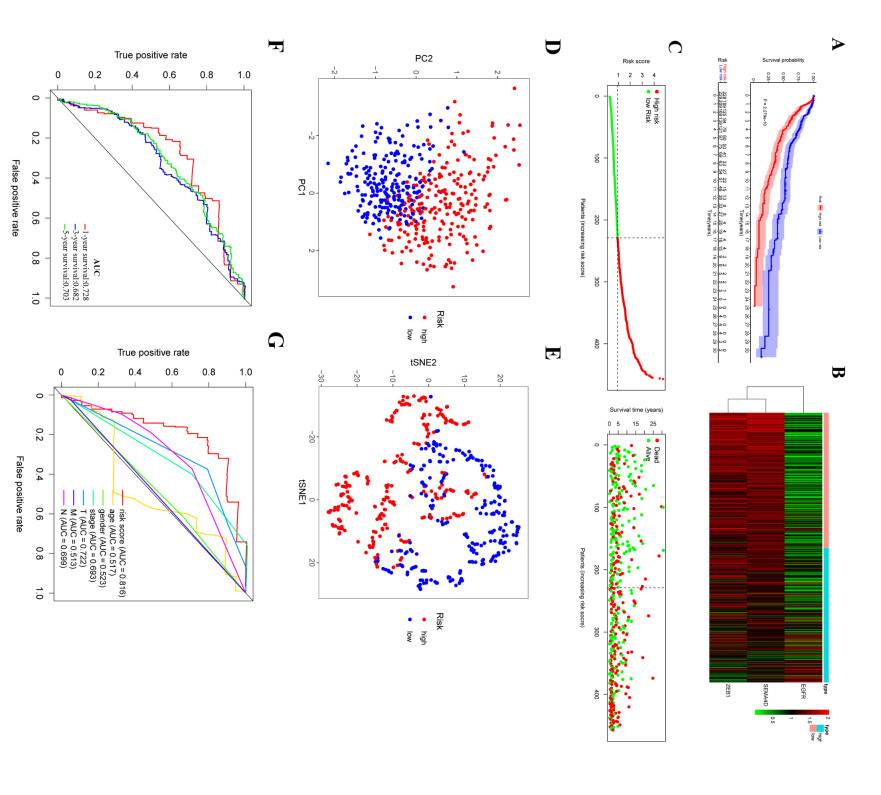
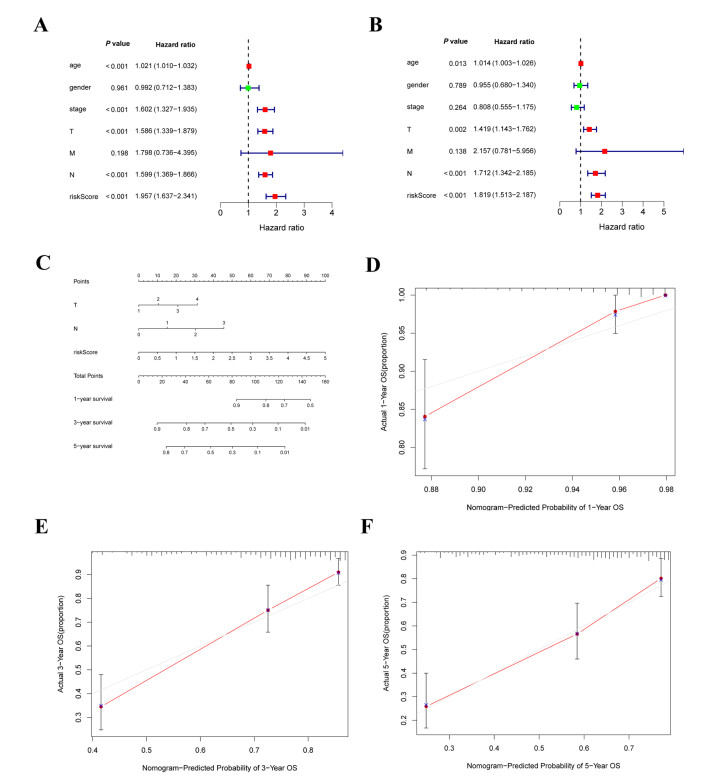
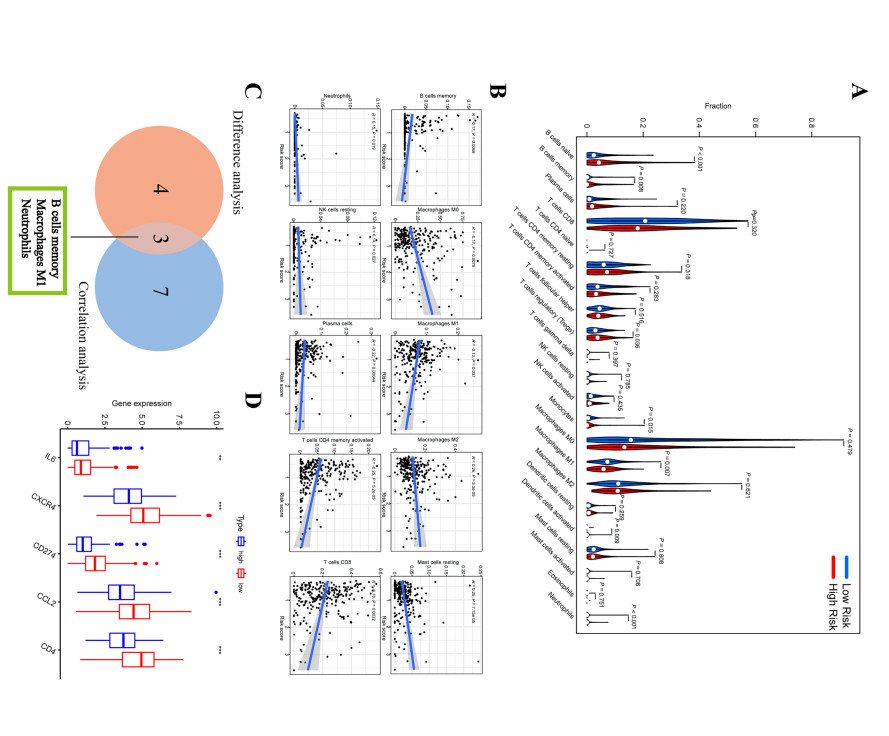
  Objective  Cutaneous melanoma (SKCM) is a highly aggressive malignancy associated with poor prognosis. This study aimed to develop a vasculogenic mimicry-related gene (VMRG) signature for individualized prognostic stratification and survival prediction in patients with SKCM.  Methods  A total of 42 VMRGs were collected from the published literature. Transcriptomic data from 813 normal skin samples and 471 SKCM samples were obtained from The Cancer Genome Atlas (TCGA) and Genotype-Tissue Expression project (GTEx) databases. Differential expression analysis and univariate Cox regression analysis were performed to identify prognostically relevant VMRGs. Five candidate prognostic VMRGs were identified, and a three-VMRG prognostic signature was constructed using least absolute shrinkage and selection operator (LASSO) regression followed by multivariate Cox regression analysis.  Results  SKCM patients were stratified into high- and low-risk groups according to the three-VMRG signature. Kaplan-Meier survival analysis and time-dependent receiver operating characteristic (ROC) curve analysis demonstrated the prognostic performance of the signature. Multivariate analysis further identified the VMRG signature as an independent predictor of prognosis, and the signature was subsequently incorporated into a prognostic nomogram. In addition, the relationships between the risk signature and survival outcomes, clinicopathological characteristics, and the tumor immune microenvironment were systematically investigated.  Conclusions  The three-VMRG prognostic signature may serve as an independent prognostic indicator for patients with SKCM and facilitate individualized risk stratification. Its close association with the tumor immune microenvironment further suggests a potential link between vasculogenic mimicry-related molecular alterations and immune regulation in SKCM, providing a theoretical basis for future mechanistic and immunotherapy-related studies.