Current Issue

2026 Vol. 6, No. 2

Display Method:
Original Article
Association between ambient temperature variability and ST-segment elevation myocardial infarction in cold regions, China: A time-series analysis
Sizheng Peng, Kai Du, Hongyan Zhao, Yingtao Zhang, Ruiyi Chen, Haiyu Zhang, Kai Dong, Hongxin Xu, Yue Li, Leilei Yin, Yuhui Sun, Tao Song
2026, 6(2): 65-75. doi: 10.1515/fzm-2026-0007
Abstract:
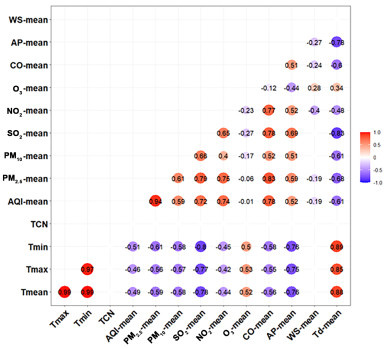
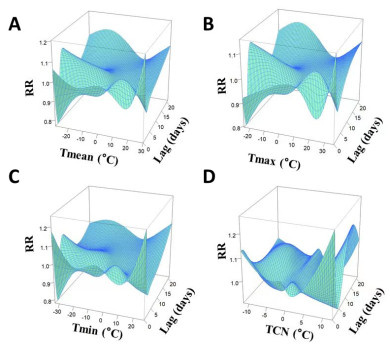
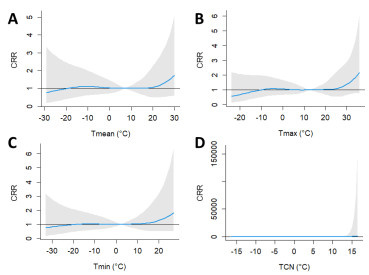
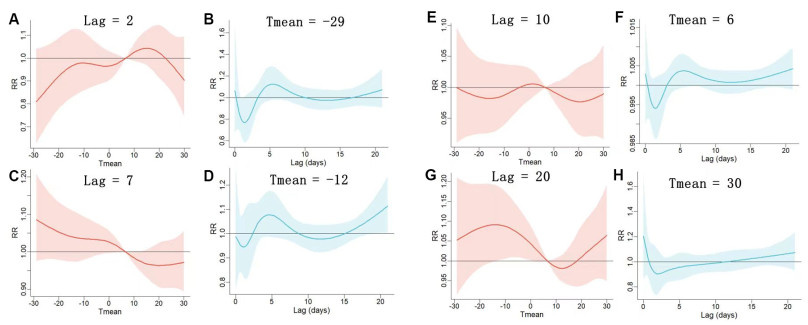
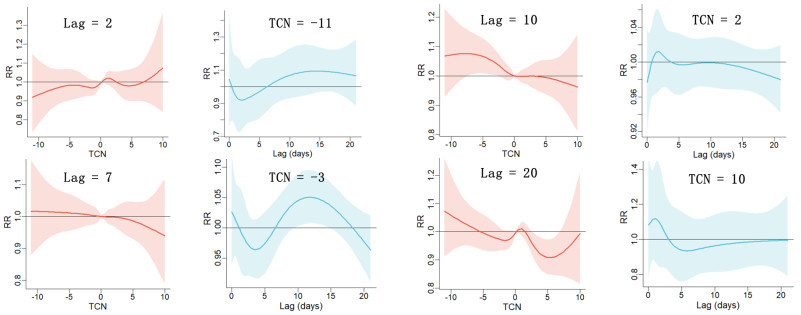
  Objective  This study investigated the impact of daily ambient temperature and temperature changes between neighboring days (TCN) on the risk of ST-segment elevation myocardial infarction (STEMI) in cold regions using a time-series approach.  Methods  From January 1, 2017 to December 31, 2020, STEMI cases were collected from the largest medical center in Heilongjiang Province, excluding patients with incomplete data or unclear symptom onset times. Meteorological variables and air pollutant data corresponding to patients' residential address were matched from nearby monitoring stations. A distributed lag nonlinear model (DLNM) with a lag period of 0-21 days was applied to assess the effects of suboptimal temperatures on STEMI risk and lag structures. Different temperature indicators (maximum, mean, minimum, and TCN) were compared, and subgroup analyses by sex and age were performed to evaluate population-specific susceptibility.  Results  A total of 1461 days were included, comprising 4700 STEMI cases. Cold exposure was associated with a significant increase in STEMI incidence, with a delayed onset of 3 days and a prolonged effect lasting up to 20 days. In contrast, the heat effect was immediate and persisted for approximately 3 days. In the 21-day cumulative relative risk (CRR) analysis, using a median temperature of 6.6 ℃, the minimum morbidity temperature was identified at 17 ℃ (CRR 0.709, 95% CI 0.345-1.457). Notably, the highest incidence did not occur at the lowest temperature (-29 ℃, CRR 1.201, 95% CI 0.273-5.273). Instead, STEMI risk increased as temperatures rose from extreme cold, reaching a peak at -10 ℃ (CRR 1.63, 95% CI 0.905-2.936). Under conditions of extreme cooling (TCN = -11 ℃), STEMI risk increased from lag 0 to 7 (relative risk [RR] 2.239, 95% CI 0.279-17.936).  Conclusions  In cold regions, extreme temperatures, especially sustained cold exposure, significantly increase the risk of STEMI. Rapid temperature drops between consecutive days further elevate incidence, highlighting the importance of both absolute temperature and short-term temperature variability in cardiovascular risk.
Impact of non-optimal temperatures on ischemic heart disease: A comparative analysis between global SDI regions and China, 1990-2021
Xin Wei, Yidan Huang, Yangyang Fan, Fengjuan Yang, Yunbo Zhang
2026, 6(2): 76-85. doi: 10.1515/fzm-2026-0008
Abstract:
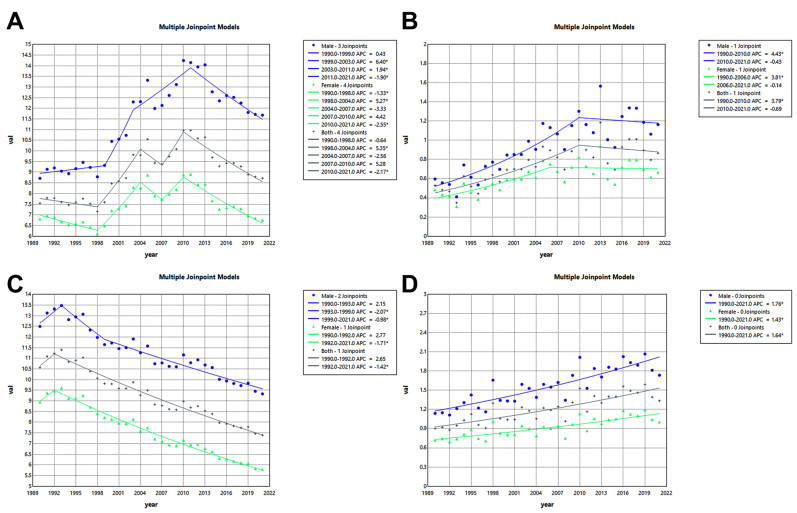
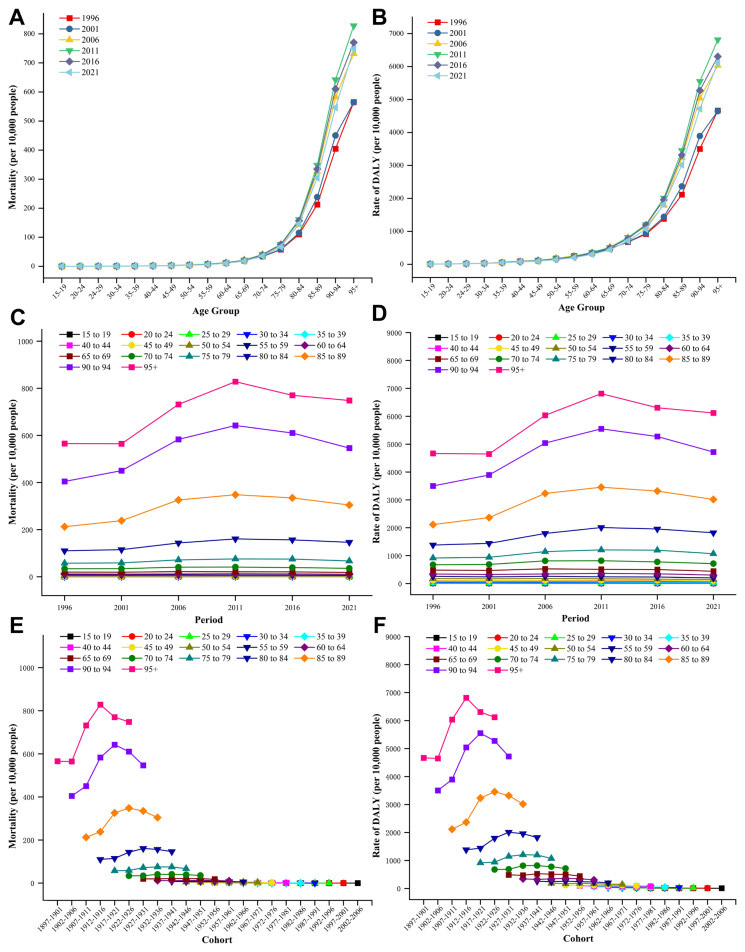
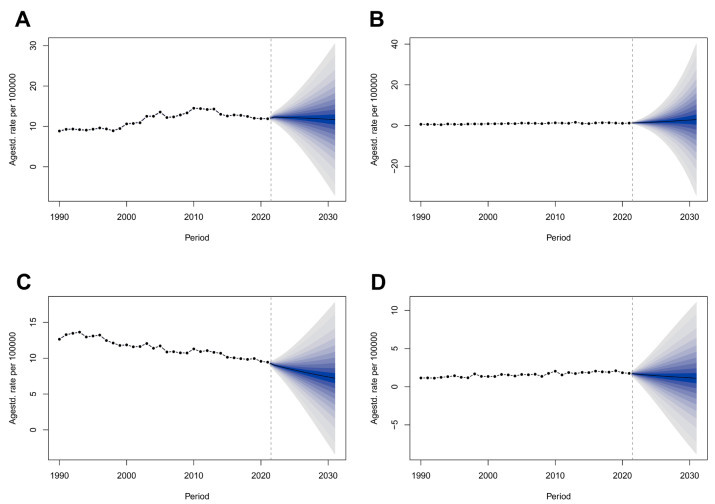
  Background  Non-optimal temperatures contribute substantially to ischemic heart disease (IHD) risk; however, comparative trends and determinants of the dual burdens associated with heat and cold exposure remain poorly understood, especially in China. This study compared the temperature-attributable burden of IHD in China with global and Socio-Demographic Index (SDI)-stratified patterns from 1990 to 2021 to identify major disparities.  Methods  Using data from the Global Burden of Disease 2021 study, we analyzed trends in temperature-attributable IHD trends via decomposition analysis, Joinpoint regression, and age-period-cohort modeling. Future trends through 2031 were projected using a Bayesian model.  Results  Globally, the age-standardized mortality rate (ASMR) attributable to non-optimal temperatures declined by 30.09%, primarily driven by reductions in the low-temperature burden. However, these improvements were largely confined to high-SDI regions, while lower-SDI regions experienced stagnant or worsening trends. In contrast, China demonstrated a 15.65% increase in overall ASMR, driven by a dual burden characterized by a marked rise in heat-related ASMR (+64.15%) and a concurrent increase in cold-related ASMR (+12.18%). Decomposition analysis identified fundamentally different driving forces between global and Chinese trends. Globally, epidemiological improvements exerted a strong protective effect (-256.56%), whereas in China, these factors contributed to an increase in per-capita risk (+169.82%). Projections to 2031 suggest these disparities are likely to persist.  Conclusion  China is facing a compounding IHD crisis driven by the combined impacts of both heat and cold exposure, representing a risk profile that differs fundamentally from global patterns. These findings highlight the urgent need for a paradigm shift toward tailored, dual-target public health strategies capable of simultaneously mitigating the adverse cardiovascular effects of both temperature extremes in vulnerable populations.
TIE1 is a potential target for hypertension-related atrial fibrillation
Hui Yu, Longfei Hao, Rui Wang, Yongtai Gong, Yue Li
2026, 6(2): 86-96. doi: 10.1515/fzm-2026-0009
Abstract:
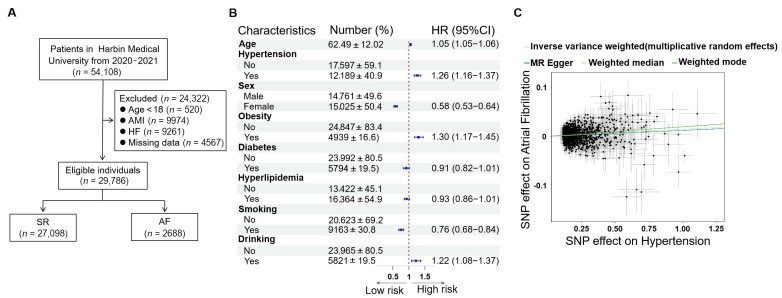
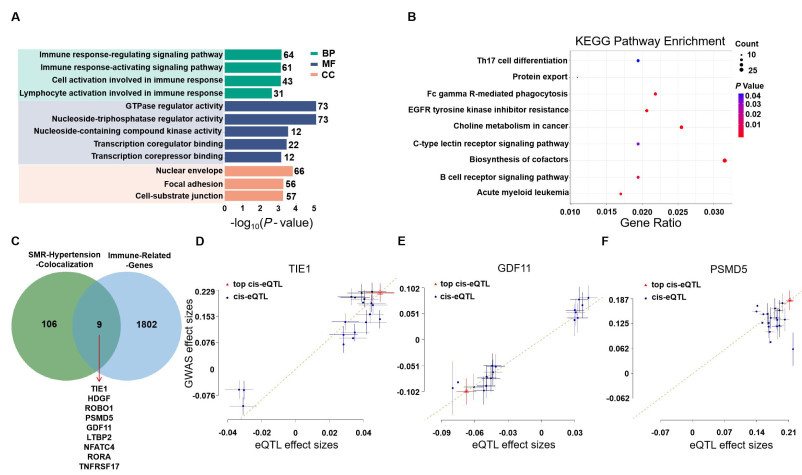
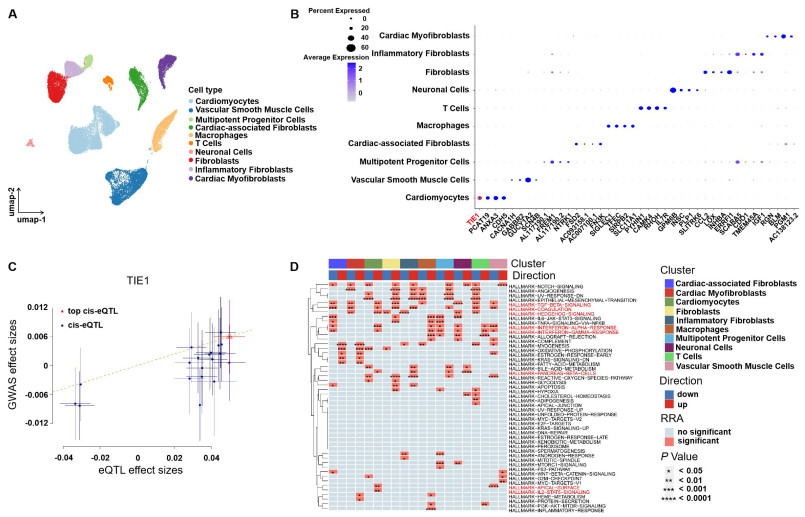
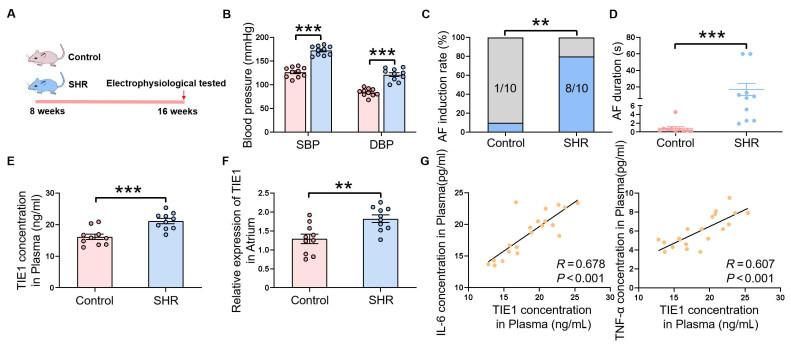
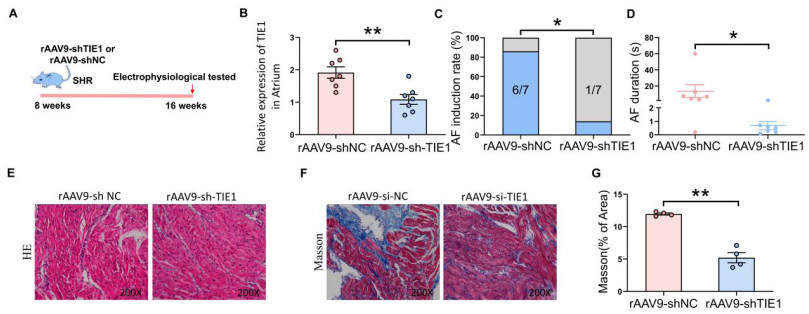
  Objective  Cardiovascular diseases pose a major public health challenge in China, particularly in northern frigid regions where environmental stressors and limited access to healthcare access exacerbate disease risk. Both atrial fibrillation (AF) and hypertension are influenced by cold exposure. AF is a frequent cardiovascular complication of hypertension, yet their causal relationship remains incompletely defined. This study aimed to elucidate the mechanisms linking hypertension to AF in frigid regions, with an emphasis on identifying key genes driving disease progression.  Methods  We analyzed clinical data from 29,786 patients hospitalized at the First Affiliated Hospital of Harbin Medical University. Multivariate logistic regression was used to assess the association between hypertension and AF, and Mendelian randomization (MR) analyses were performed using genome-wide association study (GWAS) datasets. Whole-blood expression quantitative trait locus (eQTL) analysis and pathway enrichment were applied to identify hypertension-related genes. Single-cell RNA sequencing data from AF patients and hypertensive rat models were used to validate the role of TIE1. In addition, gut microbiota GWAS data were integrated to explore microbial influences on hypertension.  Results  Hypertension emerged as both an independent and causal risk factor for AF in frigid regions. Gene expression analyses identified TIE1 as a central mediator of hypertension-related effects, with elevated cardiomyocyte TIE1 expression associated with increased susceptibility to AF. In hypertensive rats, increased TIE1 expression correlated with higher AF incidence and enhanced inflammatory cytokine production, whereas cardiomyocyte-specific TIE1 knockdown reduced AF occurrence and attenuated atrial remodeling. Gut microbiota analysis further revealed that the abundance of Adlercreutzia was inversely correlated with TIE1 expression, suggesting a potential protective role mediated through microbial regulation of host gene expression.  Conclusion  These findings establish a causal link between hypertension and AF in cold northern regions and identify TIE1 as a pivotal mediator of this association. Targeting TIE1 may represent a therapeutic strategy for hypertension-associated AF. Moreover, the identification of Adlercreutzia as a modulator of TIE1 underscores the potential of the gut microbiota in preventing cardiovascular complications in frigid regions and opens promising avenues for future interventions.
Cold exposure induces transcriptomic and metabolic reprogramming in the heart: An integrated multiomics study
Jiaming Ju, Zhengchao Wen, Jiayun Li, Dandan Zhang, Kejiao Zhang, Haozhan Wang, Roman E. Tokmachev, Yang Li, Yanan Jiang
2026, 6(2): 97-108. doi: 10.1515/fzm-2026-0010
Abstract:
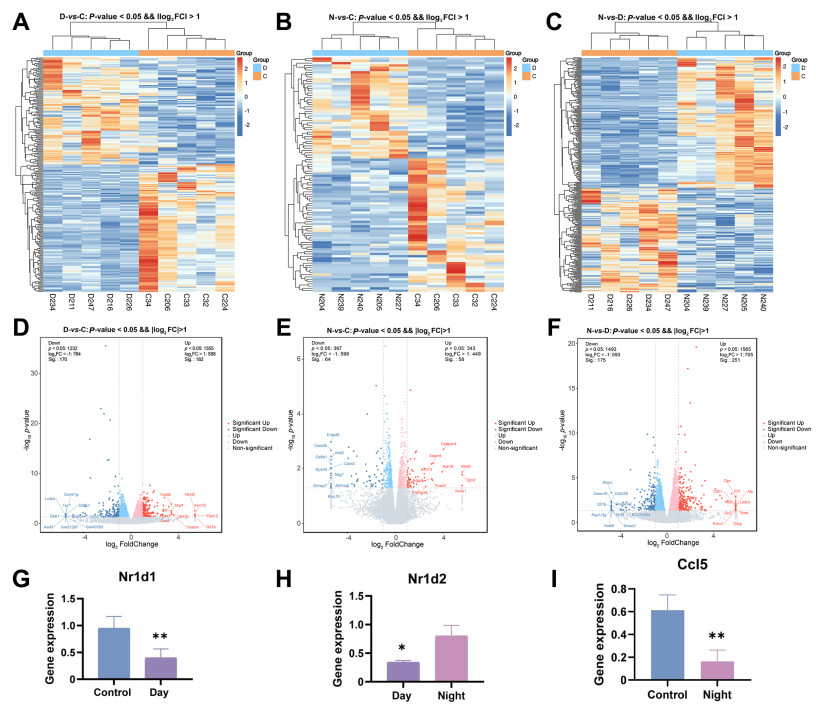
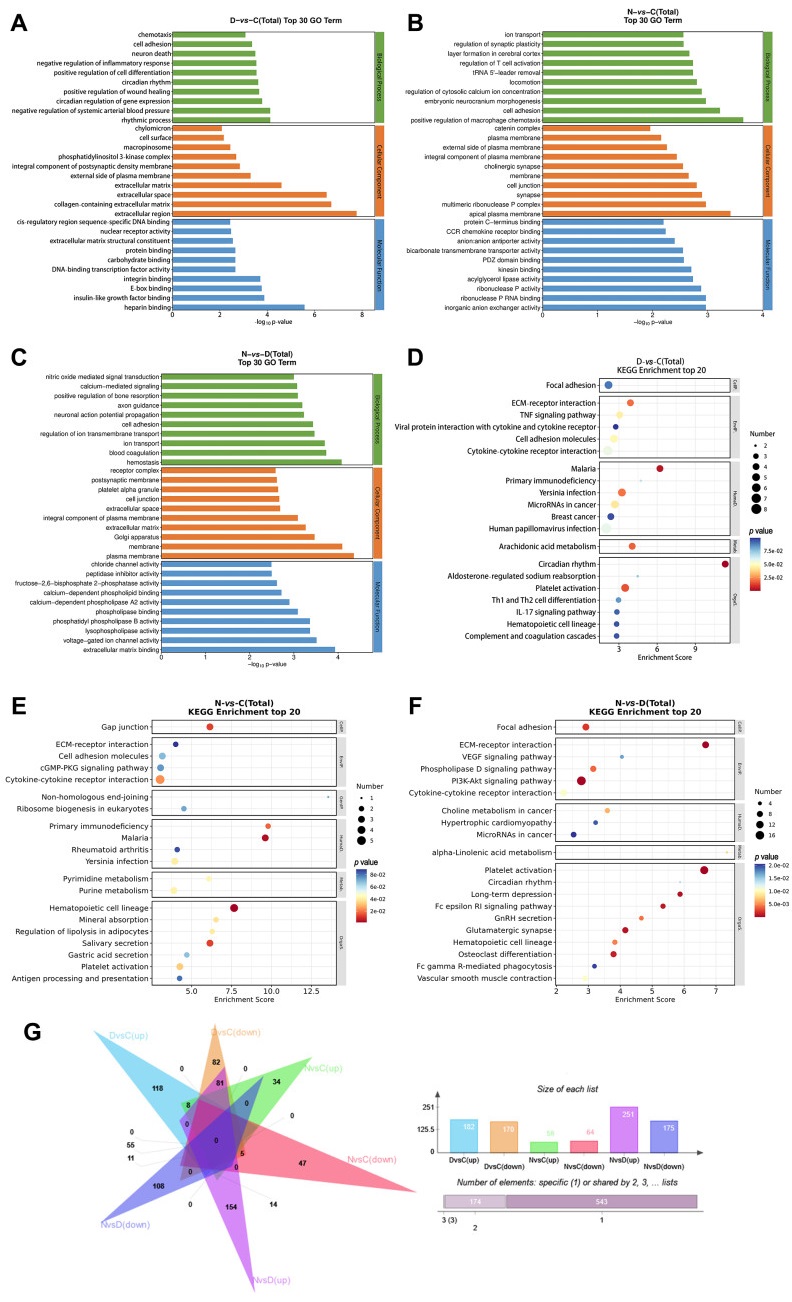
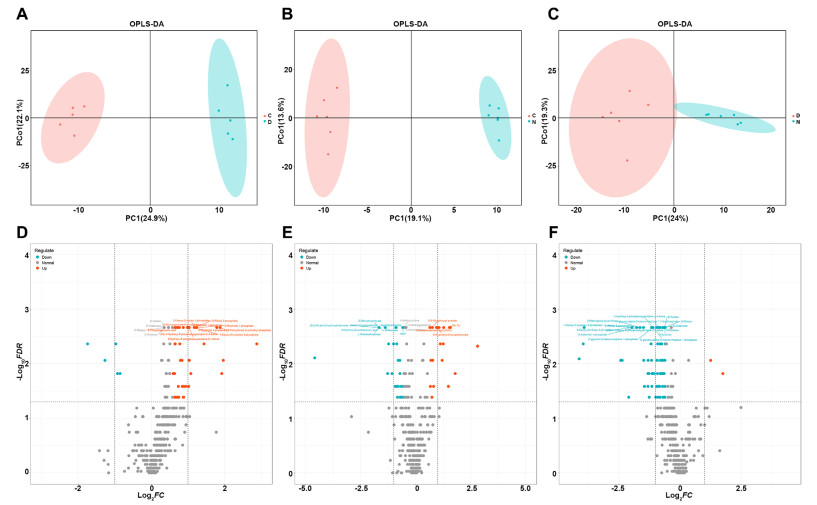
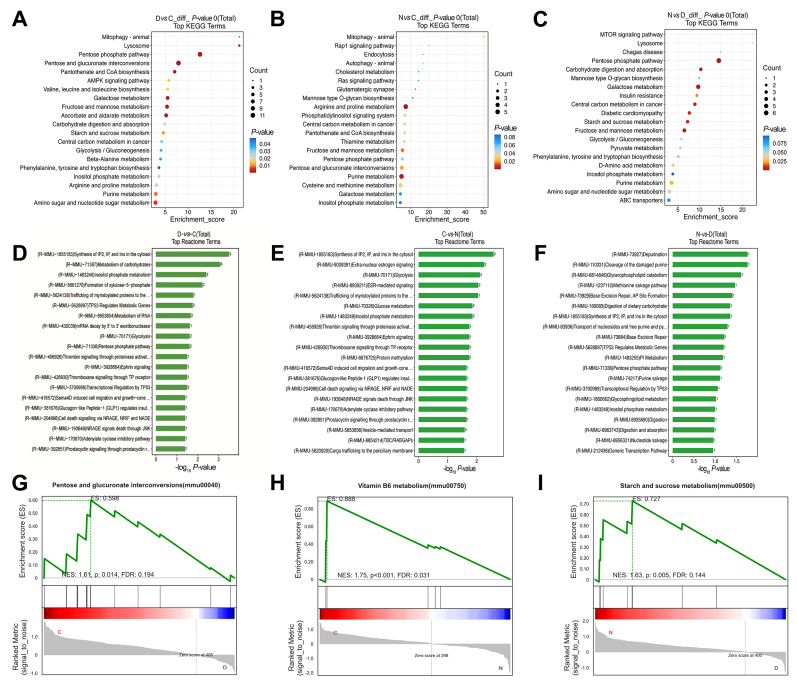
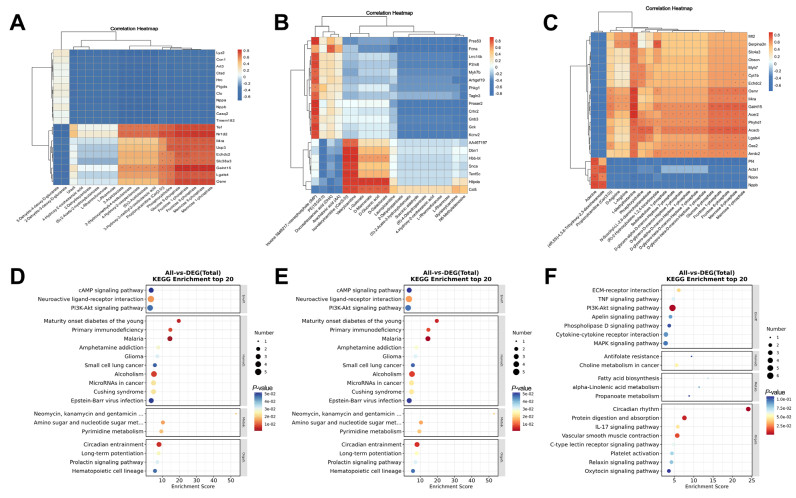
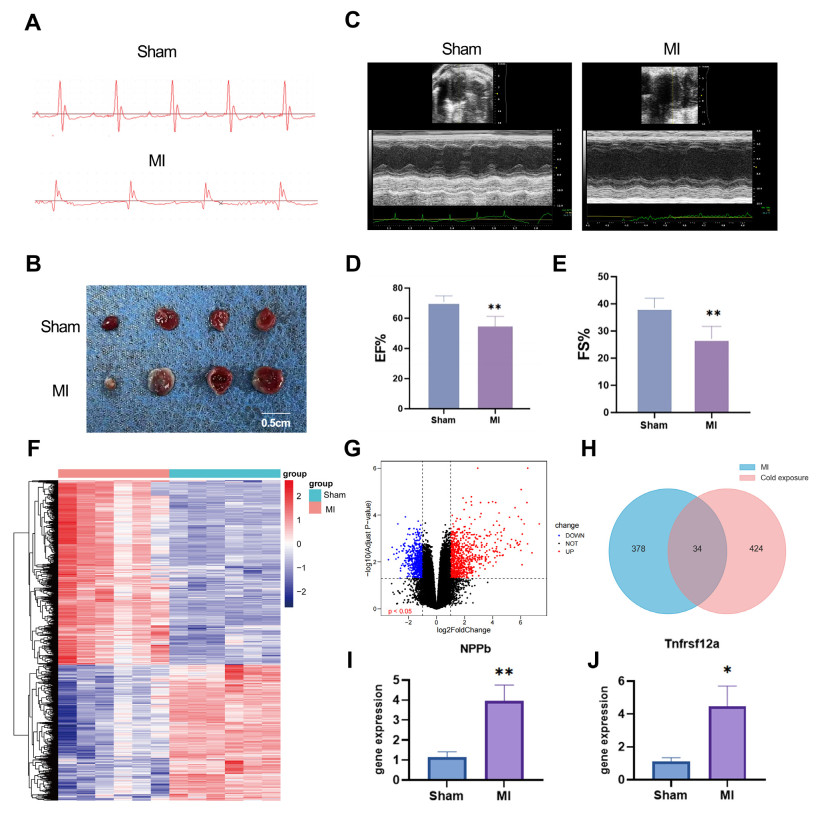
  Objective  Exposure to extreme cold temperatures may increase the risk of cardiovascular diseases. This study aimed to investigate the effects of cold exposure on the heart and its underlying mechanisms using an integrated transcriptomic and metabolomic approach.  Methods  C57BL/6 mice were subjected to cold exposure at 4 ℃ for 12 hours per day for 4 weeks. Transcriptomics and metabolomics profiles of the heart were analyzed. Differentially expressed genes (DEGs) and differentially expressed metabolites (DEMs) were identified, and mRNA expression levels were validated by qRT-PCR. Enrichment analyses were performed to identify significantly affected pathways. Transcriptomic and metabolomic data were then integrated to provide a comprehensive view of molecular alterations induced by cold exposure. To further evaluate the relationship between cold exposure and cardiovascular diseases, a myocardial infarction (MI) mouse model was established, and overlapping genes between cold exposure and MI were analyzed.  Results  Cold exposure significantly altered both the transcriptomic and metabolomic profiles of mouse hearts. Pathway enrichment analyses based on DEGs and DEMs identified several signaling pathways affected by cold stress. Integrated transcriptomic and metabolomic analyses further highlighted potential metabolic and signaling pathways associated with cold exposure. By cross-referencing DEGs associated with cold exposure with those from the MI model in the GEO database (GSE223208), 34 overlapping genes were identified. Integrated analyses implicated key genes (Tnfrsf12a and Nppb) in cold-aggravated cardiac remodeling, which were further validated in MI models.  Conclusion  Cold exposure reprograms the cardiac transcriptome and metabolome in mice. Cold exposure and MI share a subset of DEGs, which may help illuminate the pathophysiological interplay between cold stress and MI, highlighting potential therapeutic targets for cold-exacerbated cardiovascular diseases.
Challenges and optimization of prenatal diagnosis in cold regions: Combined application of karyotyping and CNV-Seq with seasonal compliance analysis
Luyao Liu, Yuhong Zhang, Yitong Wang, Kai Zheng, Hao Wang, Ying Wang
2026, 6(2): 109-116. doi: 10.1515/fzm-2026-0011
Abstract:
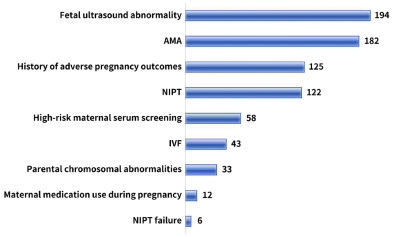
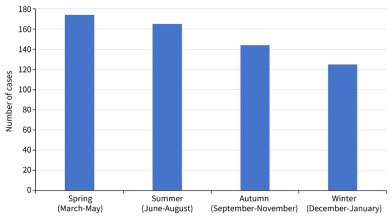
  Objective  Prenatal diagnosis in cold regions faces distinctive challenges related to extreme cold climatic conditions, which can substantially reduce healthcare compliance among pregnant women and limit the accessibility and accuracy of local prenatal diagnostic services. However, targeted research on region-specific diagnostic barriers and optimized combined detection strategies remains insufficient. This study systematically investigated the unique challenges of prenatal diagnosis in cold regions, with particular emphasis on the impact of harsh climatic conditions on healthcare compliance among pregnant women and evaluated the clinical utility of integrating chromosomal karyotyping with copy number variation sequencing (CNV-seq).  Methods  A retrospective analysis was conducted among high-risk pregnant women over a two-year period. Seasonal differences in prenatal clinic attendance were statistically analyzed to identify key barriers affecting healthcare compliance. Additionally, the clinical efficacy of combined chromosomal karyotyping and CNV-seq was systematically evaluated.  Results  Retrospective analysis of high-risk pregnancies revealed a statistically significant decline in winter clinic attendance (χ2 = 9.51, P < 0.05) over the two-year period, mainly associated with transportation difficulties, concerns regarding nosocomial infection, and local cultural practices. The combined use of chromosomal karyotyping and CNV-seq demonstrated complementary diagnostic value. Karyotyping identified 12 balanced translocations, 23 sex chromosome aneuploidies, and 29 chromosomal polymorphic variants, while CNV-seq detected 19 pathogenic or likely pathogenic microdeletions/microduplications, including 16 pathogenic variants. Together, the two methods increased the overall abnormality detection rate to 18.64% (118/633), representing a 7.42% improvement over single-method detection strategies.  Conclusions  Based on these findings, several regionally optimized strategies are proposed, including the establishment of a "central laboratory + satellite clinics" network, the promotion of non-invasive prenatal testing (NIPT) combined with first-trimester ultrasound screening to reduce unnecessary invasive procedures, and improved management of high-risk pregnancies through tele-genetic counseling, winter green-channel services, and vitamin D supplementation. This study provides both theoretical and practical frameworks for improving the precision, accessibility, and equity of prenatal diagnostic systems in cold regions.
LncRNA MIR4435-2HG promotes psoriatic inflammation via activation of PDGFRB-positive skin mesenchymal cells
Meng Tong, Guangyu Yang, Yizhou Hu, Tao Li, Yuge Gao, Yuzhen Li
2026, 6(2): 117-127. doi: 10.1515/fzm-2026-0012
Abstract:
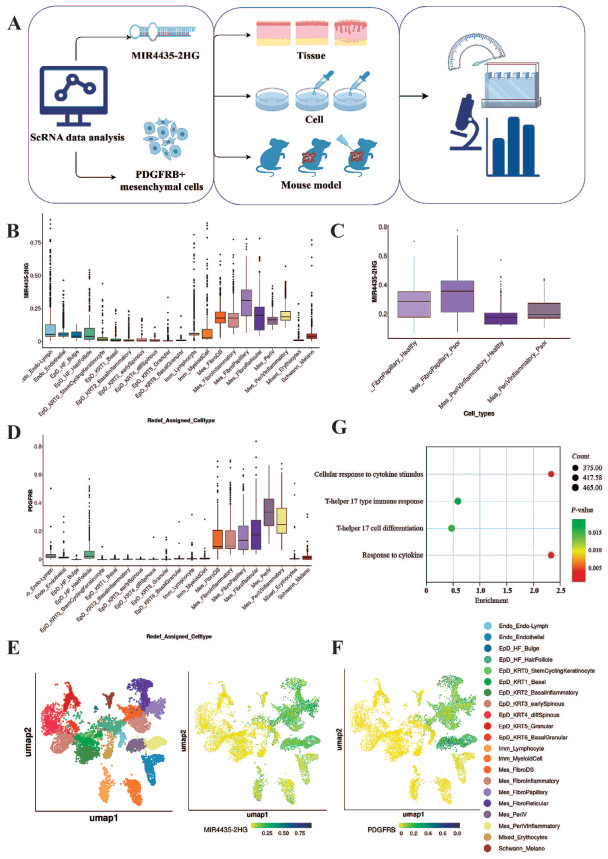
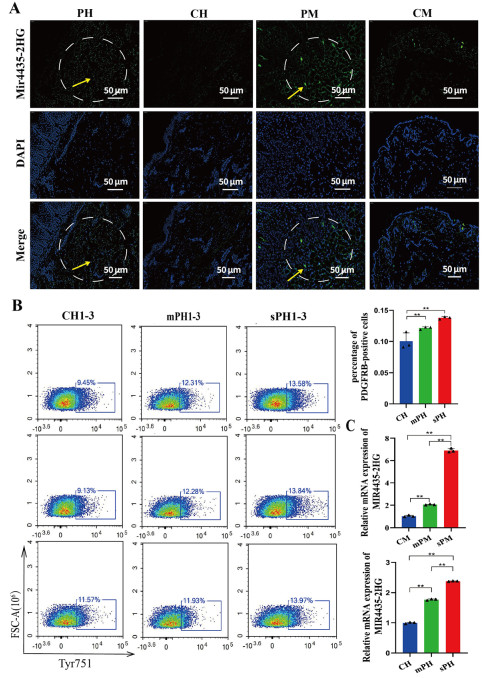
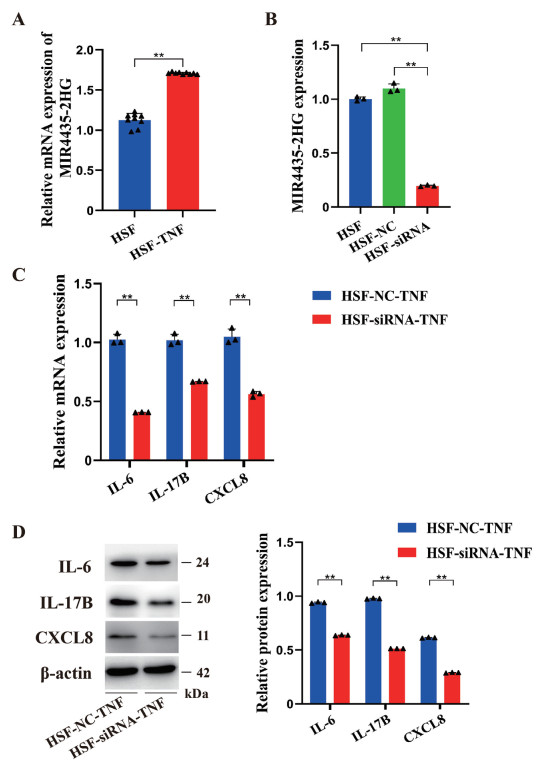
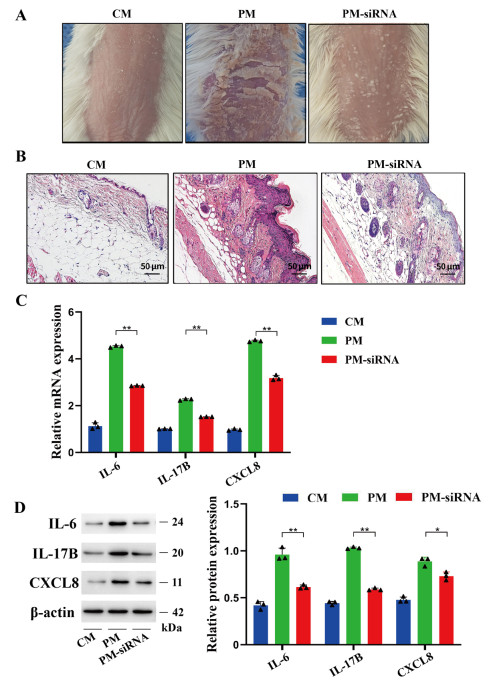
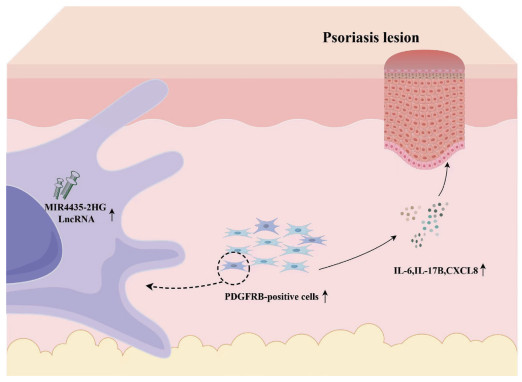
  Background  Psoriasis is a chronic inflammatory skin disease influenced by genetic, immune, and environmental factors. Notably, its prevalence is significantly higher in colder regions, and cold climates are known to exacerbate disease symptoms. This study aimed to investigate the role of the long non-coding RNA MIR4435-2HG in regulating inflammation and cytokine production in psoriatic skin.  Methods  Single-cell RNA sequencing identified MIR4435-2HG expression in PDGFRB-positive mesenchymal cell subsets in psoriatic skin. Functional assays were performed to evaluate its effects on inflammatory cytokine expression in mesenchymal cells activated by TNF-α. An imiquimod-induced psoriasis mouse model was used to assess the effects of MIR4435-2HG knockdown in vivo.  Results  MIR4435-2HG was found to upregulate IL-6, CXCL8, and IL-17B expression in TNF-α-activated mesenchymal cells. Knockdown of MIR4435-2HG in the mouse model significantly reduced skin inflammation, epidermal hyperplasia, and psoriasis-associated cytokine expression.  Conclusion  MIR4435-2HG plays a critical role in regulating inflammation through mesenchymal cell activation, offering a potential therapeutic target for reducing psoriasis severity, especially in cold climates.
Erratum to Rewarming strategies for cryopreservation: Technological challenges and opportunities in energy conversion
Ruidong Ma, Ziyuan Wang, Ren Shen, Zhiquan Shu, Chen Ming, Dayong Gao
2026, 6(2): 128-128. doi: 10.1515/fzm-2026-0013
Abstract: